Key takeaways
- Real audience overlap can move a product. A rented persona with a discount code is usually a photo.
- Pay for overlap and a trackable path. Skip vanity reach you cannot follow after the post.
- User-generated content is a file. An influencer is an introduction. Price them as different spends.
A kitchen installer paid a travel creator for a weekend story. Pretty house. Soft light. A discount code in the caption. Heart emojis in the comments. Zero bookings.
That is the usual miss when people ask whether influencer marketing is worth it. You rented a face. You did not buy an audience that already wants the work. Real audience overlap can move a product. A rented persona with a discount code is usually a photo.
Creator marketing for a small business still comes down to two questions: do their people already hire this kind of thing, and can you see what happened after the post.
Their people already buy this
Influencer marketing is a paid introduction to people who already buy what you sell. The creator is the introduction. The audience is the asset. The path is the work.
It is not a celebrity rental. It is not a coupon taped to a lifestyle. It is not a follower count you can screenshot for a deck.
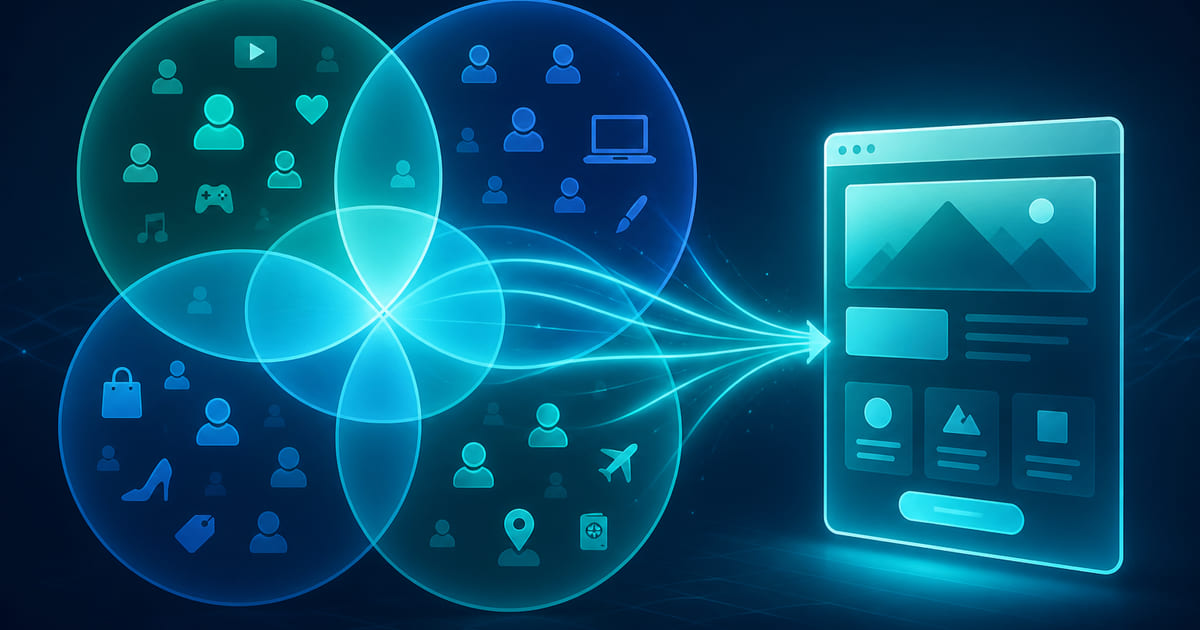
Overlap is not "they have a lot of followers in our city." Overlap is: their people already hire this kind of work, buy this kind of product, or ask this kind of question. A kitchen installer next to a kitchen account is overlap. A kitchen installer next to a travel creator with a pretty house is a photo.
Ask for evidence before you pay. Who follows them. What those people already bought. Whether the last three sponsored posts named a real offer or just a vibe. If the creator cannot describe your buyer without reading your notes, you are renting a face.
Creator marketing for a small business is usually one person, one post or a short series, and one URL. It is not a roster of twenty accounts so the month looks busy. Social media for a small business is the same discipline on your own profile: one channel you can keep, real work, a destination. A creator is a second channel. Same rules. If you cannot keep your own account honest, do not rent someone else's.
A channel also needs a place to land. Digital marketing can put the right people on a URL. A creator can do the same job with trust attached. Neither invents a next step the page does not have.
Monday: write the buyer in one sentence. Then ask the creator to describe that buyer back to you, in their words, before you send a contract.
A coupon is a weak receipt
Theatre is a rented persona. You paid for proximity to a face. The face has a code. The code is the measurement. The measurement is a screenshot.
A discount code is not a path. It is a coupon that may or may not get typed. Plenty of people will like the photo, save the story, and never use the code. You will still have the photo. You will call it a campaign.
Vanity reach is the same trick with a larger number. A hundred thousand views of people who will never buy from you is not a channel. It is a billboard in the wrong zip code with better lighting.
The usual miss: someone sells you a list. Micro, mid, macro. Engagement rate. Aesthetic fit. You pick the one that looks like the brand you wish you had. The post goes up. The comments are heart emojis. Nobody arrives. Then the next proposal is a bigger account.
Do not buy a personality you cannot stand next to. If their voice and your offer cannot share a sentence, the post will look like an ad that wandered into the wrong feed. Buyers notice. They also notice when the only proof is a follower count.
Is influencer marketing worth it? Only if you are buying overlap you can verify and a path you can watch. Do not pay for a follower screenshot, a story that dies in the app, or a "brand awareness" month with no URL.
Awareness without a path is a feeling. You cannot take a feeling to next month's budget.
Write the creator brief and attribution plan together
A creator brief should include:
- audience and problem, not only demographic labels;
- product or service facts that must remain accurate;
- claims the creator may not make;
- required experience or demonstration;
- mandatory disclosure language and placement;
- deliverables, formats, usage rights, edit rights, and duration;
- landing destination and offer terms;
- brand-safety and escalation contacts;
- measurement window and reporting inputs.
The attribution plan should distinguish exposure, engagement, traffic, qualified action, and commercial outcome. Use creator-specific URLs, codes, post-purchase questions, and platform data where appropriate, but accept that not every influenced sale will be directly attributable.
The FTC requires material connections between an endorser and advertiser to be disclosed clearly and conspicuously, and endorsements must reflect honest opinions and experiences. A disclosure buried in a profile, after “more,” or inside a pile of tags may not do the job. The advertiser and creator both need the requirement in the operating brief.
Run a pre-campaign fit test. Ask the creator to explain the offer in their own words without publishing. If the explanation becomes inaccurate, generic, or uncomfortable, fix the brief or choose another partner. Audience access cannot repair an offer the creator cannot credibly inhabit.
After the campaign, preserve the learning: objections in comments, questions in DMs, language that resonated, and mismatch between clicks and qualified action. The creator is also a research channel when the programme is designed to listen.
Read FTC — Endorsements, influencers, and reviews and FTC — Updated endorsement guides.
Measure the click, not the hearts
The post is not the close. The URL is.
Every useful creator post should survive a click-away. Name the offer. Name who it is for. Send them to a page that states the same offer, shows why it is safe to believe, and takes a name. If the caption is the whole pitch and the only next step is "use code SAVE15," you built a loop inside someone else's app.
Track what you can stand next to. Arrivals on that URL. Inquiries from that URL. Replies that name the creator. A unique link is better than a code. A code is better than nothing. A follower count is nothing.
If you already have attention on your own channel and no page that can take it, that is not an influencer problem. That is a destination problem. Sell more from the site you have before you rent someone else's audience. Traffic is not the first leak. A vague offer is.
Monday: make one unique link for the post — a short URL or a UTM you can read in analytics. If you cannot see arrivals, you cannot decide whether to pay again.
Footage and a hello are different spends
User-generated content and an influencer post are not the same invoice.
User-generated content is a file. A customer or a creator makes an asset you can use. You own the usage. You put it on your page, your ads, your profile. The person who made it does not have to introduce you to their audience. You paid for a picture or a clip that looks like real use.
An influencer is an introduction. You are paying for their people, not just their footage. If you only needed the footage, buy the footage. If you needed the introduction, buy the overlap and the path.
Mixing them up is how a small business pays introduction prices for a video they could have shot in the shop. It is also how a brand buys a usage file and then wonders why nobody new arrived. Different jobs. Different briefs. Do not put both on one invoice and call it a strategy.
If you need assets for your own channel, that is content on a channel you keep — often monthly social with a written cadence, not a rented face. If you need an introduction, write the overlap and the URL first. Then find the person whose audience already has the job.
Warmth needs a page that can take it
A landing page is the smallest honest container for that click: one service, one creator, one URL, one ask. Do not point a paid introduction at a homepage that lists eight services. You paid for warmth. A menu of everything you do will cool it.
We have built those destinations since 2014 — more than fifty businesses, more than a hundred websites. The years are enough to say we have shipped the page a campaign lands on. They are not a fabricated return on a post we did not run.
If the creator post needs a place to land, that is a landing page. If your own channel has to stay honest while a campaign runs, that is monthly social or social media management. If the right people have to meet a URL on purpose — creator, search, or ad — that is digital marketing. The site still has to sell the offer it already has.
Overlap. A link you own. A page that can take the click. If that is the spend you want to make, tell us the current setup.